Culturally Responsive Community Engagement with Black Children, Teens, and Their Families
Are you interested in meaningful community-engaged research with Black children and families, but unsure where to start or in need of a refresher? Join SRCD’s Black Caucus for a webinar on best practices for partnering with Black families and communities. The session will draw from evidence-based and culturally responsive approaches to community-engaged research.
We will highlight the importance of relationship-building, co-creation, and shared decision-making throughout project development and execution. In doing so, researchers will recognize the expertise gained from lived experiences and the value of community knowledge. This webinar will introduce participants to community-engaged research resources that can strengthen the rigor, effectiveness, and sustainability of their projects.
Participants will learn:
- Identify different types of community-engaged research
- Learn best practices for community-engaged research with Black children and families, including relationship-building, co-creation/project development, data collection and analysis, and dissemination
- Understand how to meaningfully engage community advisory boards
- Address ethical (e.g., data ownership, privacy, non-extractive research practices) and sociopolitical considerations
- Explore community-centered dissemination strategies such as postcards, newsletters, infographics, and data walks

Meet the Webinar Speakers
Dr. Keisha L. Bentley-Edwards, Duke University
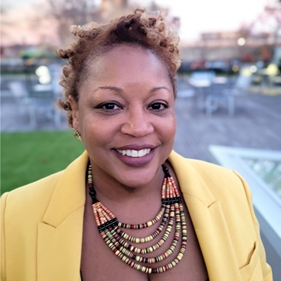
Dr. Keisha L. Bentley-Edwards (she/her) is a developmental psychologist and Associate Professor of Medicine at Duke University whose research examines how structural racism, gender, and culture shape health and development across the lifespan, with a focus on African American families and youth. She serves as Chair of the SRCD Black Caucus and has several leadership roles throughout Duke University and Duke Health.
Her research has been supported by the Robert Wood Johnson Foundation, IBM, and the National Institutes of Health. Dr. Bentley-Edwards shares her expertise on the causes and consequences of structural racism and bias in health, education and social outcomes with families, schools, policymakers, practitioners, and the media. She welcomes conversations with junior scholars working on issues related to racism, Black women and girls, health, and/or equity-centered research methods.
Dr. Tandeca King Gordon, National African American Child and Family Research Center
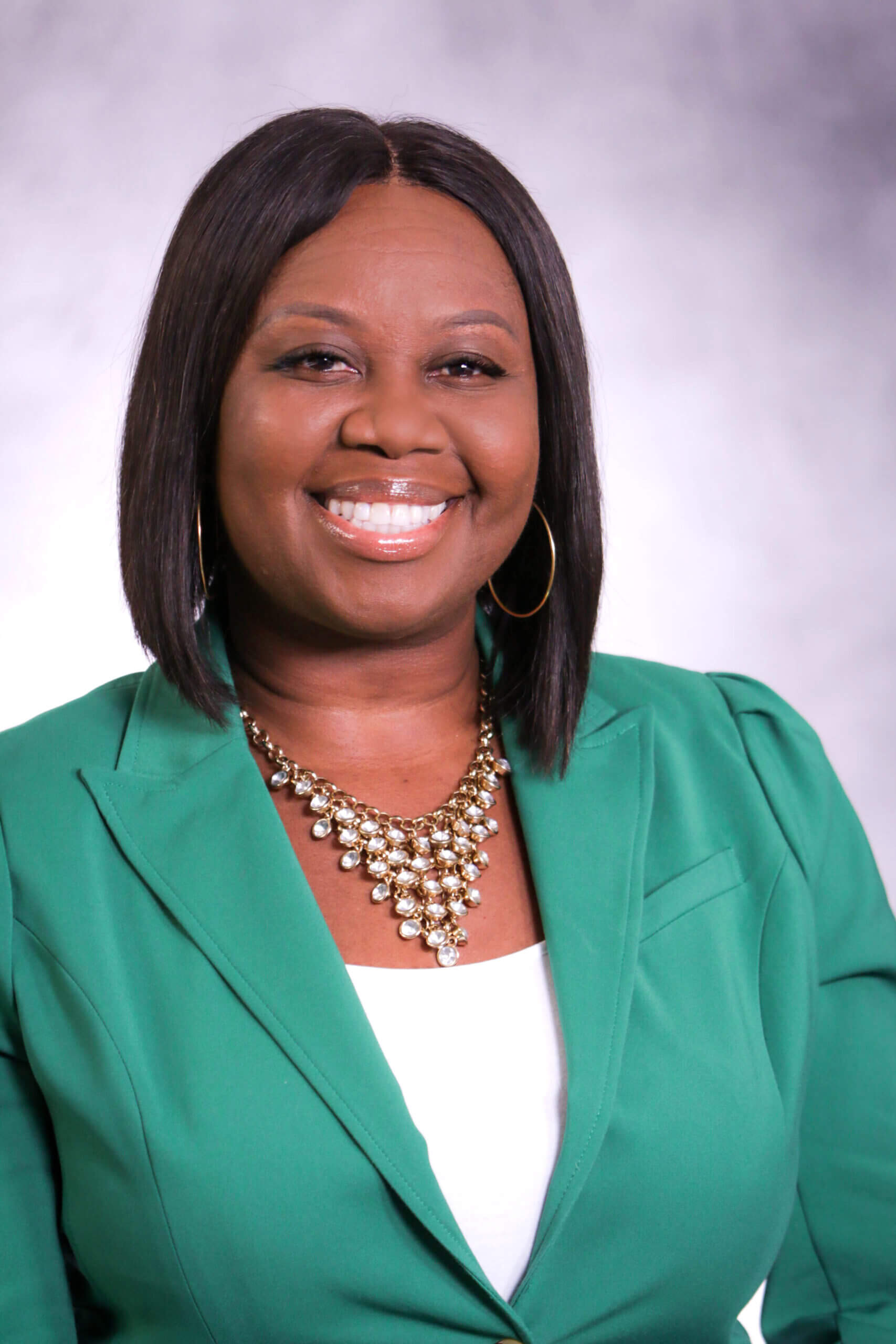 Dr. Tandeca King Gordon is an educator and academic leader with more than 15 years of experience in higher education, research administration, and workforce development. Her expertise centers on teaching, curriculum development, mentorship, and the coordination of federally funded research and training initiatives.
She currently serves as Associate Director of the National African American Child and Family Research Center, providing leadership for the coordination and implementation of Center activities, including administrative and fiscal oversight. In this role, she also co-leads the Emerging Scholars Program, mentoring graduate students and trainees through structured research experiences designed to strengthen their academic and professional development.
As an Assistant Professor in the Department of Community Health and Preventive Medicine, she trains community-oriented physicians to provide care for diverse populations and address the social determinants of health to achieve health equity. In this faculty capacity, she leverages extensive expertise in community-engaged research with an emphasis on early care and childhood education, advancing academic-community partnerships to address health disparities.
Johnnetta Miller, Educare Atlanta
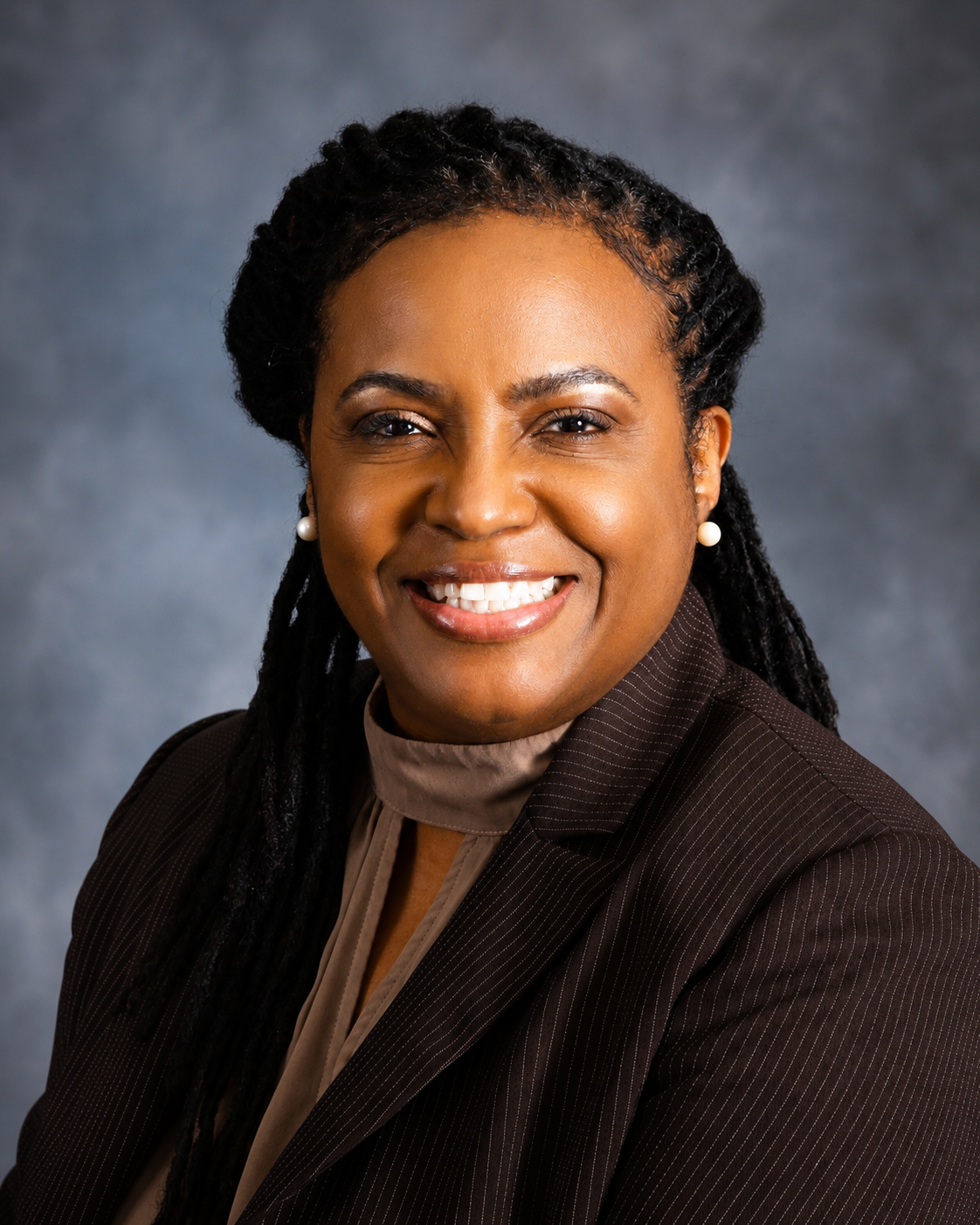 Preparing children for success in a world that does not yet exist has been the driving force behind Mrs. Johnnetta Miller’s work as an educator and leader for more than two decades. Her commitment to student achievement, organizational excellence, and educational innovation has guided a distinguished career spanning early childhood, K–12, and higher education.
Mrs. Miller began her administrative career as a Dean of Students, a position created specifically in recognition of her leadership potential and effectiveness. At the time, the role existed only at the high school level within the district. Her demonstrated strengths in organizational leadership, stakeholder engagement, and operational management led to continued advancement, serving as Assistant Principal, Principal, Curriculum Director, and Human Resources Director.
In 2017, Mrs. Miller was appointed Superintendent of the West Harvey School District 147 in Dixmoor, Illinois, where she provided strategic leadership focused on student success, organizational improvement, and community engagement. She has also taught at the collegiate level, preparing future educators and administrators to enter the profession with confidence and purpose.
Throughout her career, Mrs. Miller has served on several boards and committees that influence educational policy and practice. Her service includes the ECHO (Exceptional Children Have Opportunities) Joint Agreement Special Education Cooperative and the Illinois State Board of Education Consolidated Committee of Practitioners, where she served as Vice Chairperson from 2019 to 2021.
In recognition of her leadership and contributions to education, Mrs. Miller was named one of Illinois’ Most Distinguished Women in 2019.
Today, Mrs. Miller serves as Center Director at Educare Atlanta, a program of Sheltering Arms, one of Georgia’s oldest nonprofit early childhood organizations. In this role, she continues her commitment to ensuring that children, families, and educators have the resources and support needed to thrive.