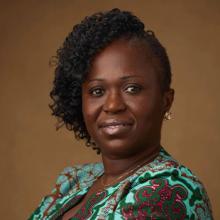
Q: Describe your current position and research agenda?
A: I currently serve as a Dean and an associate professor in the field of Guidance and Counseling. My research focuses on online counseling, student wellbeing, parenting and family issues, special education support, and the use of technology in counseling and teaching. I am particularly interested in how cultural and contextual factors in Ghana influence counseling practices and outcomes.
Q: What interested you in becoming a developmental scientist?
A: My interest came from working closely with students and young people and seeing how their environment, upbringing, and experiences shape their development. I became more interested in understanding these processes deeply so I could contribute meaningfully to their growth and wellbeing.
Q: What are you currently working on?
A: My recent work focuses on online counseling and student self-disclosure, particularly among university students. It explores how anonymity can influence openness in counseling settings.
Q: What drew you to do work on your current topic?
A: My work in schools and universities exposed me to real challenges students face, especially with emotional struggles, identity, and access to support. This led me to focus on online counseling and how anonymity can help young people open up more freely.
Q: Was there a particularly influential study in the field or in a related field that drew you to your current work?
A: Rather than one specific study, it has been the general body of work in counseling psychology and developmental science that emphasizes context, culture, and human relationships. These have shaped how I approach both research and practice.
Q: Do you have a mentor or mentors who have been instrumental to your career and, if so, whom and how?
A: Yes, I have been fortunate to have mentors throughout my academic journey who guided my research, teaching, and leadership. Their support, constructive feedback, and example have been very instrumental to my growth.
Q: Who or what inspires you?
A: I am inspired by my students, especially when I see positive change in their lives. I am also inspired by the resilience of young people and families in Ghana who navigate many challenges but still strive to succeed.
Q: Any particular advice or tips to someone starting out in the field who is doing work in your area?
A: Be patient with yourself and stay committed. Research and counseling are both journeys that require passion, consistency, and openness to learning. Also, always stay connected to real-life issues in your context.
Q: What words of wisdom might you pass on to someone on their very first day after deciding to get a Ph.D. in developmental science or a related field?
A: Stay focused, be disciplined, and do not isolate yourself. Build strong relationships with your supervisors and peers and remember that your research should aim to solve real problems.
Q: What does SRCD mean to you, or what is your favorite aspect of SRCD membership? As an international scholar, what interested you in becoming part of SRCD?
A: SRCD provides a valuable platform for learning, collaboration, and sharing ideas across cultures. As an international scholar, it offers the opportunity to bring African perspectives into global conversations on child development.
Q: What is a typical day like for you?
A: My day usually involves administrative duties as a Dean, teaching, supervising students, attending meetings, and working on research. It is often busy, but I try to stay organized and intentional.
Q: What is something you learned in the last month?
A: I have been reminded of the importance of flexibility in both research and leadership, especially when working with diverse groups and changing circumstances.
Q: How does your cultural context influence your research perspective or approach?
A: Working in Ghana shapes my understanding of counseling because culture plays a strong role in how people express emotions and seek help. I ensure that my research reflects local realities and values.
Q: How do you see your research contributing to the global understanding of child development?
A: My research brings an African perspective into global discussions, especially in areas like online counseling and student well-being. It helps to highlight context-specific insights that are often underrepresented.
Q: How has collaboration with international colleagues enhanced your research?
A: Collaborating with international colleagues has broadened my perspective, improved my research quality, and exposed me to diverse methodologies and ideas.
Q: Where can people learn more about you?
A: People can learn more about my work through my academic profiles, conference presentations, and professional platforms such as LinkedIn and institutional publications.
https://www.uew.edu.gh/dcp/staff/pmamos
https://www.linkedin.com/in/mawusiamos/