
SRCD Invited Program
Event
SRCD 2027 Biennial Meeting
This page will continue to grow as we confirm our final program for the SRCD27.
The invited program for SRCD27 includes experts in
- adversity and early prevention research
- children’s rights and criminal justice
- cognitive neuroscience, learning, executive function
- developmental affective neuroscience, limbic-cortical development, early-life stress
- early childhood cognitive development
- early childhood policy; international; research-to-policy; research-to-practice
- early experiences and brain development
- early life stress in community, low-risk populations
- early mother-child interaction
- how infants and young children learn with their hands
- intersections of developmental psychology, suicidology, education, and policy
- marginalized children and families
- maternal mortality and health disparities
- open science
- sleep and neurodiversity
- the integration of ERS into cognitive behavioral therapy
- transgender, children, international, attachment
- and so much more across the full swath of developmental science.
Meet the Invited Speakers
Adam Benforado, Ph.D.
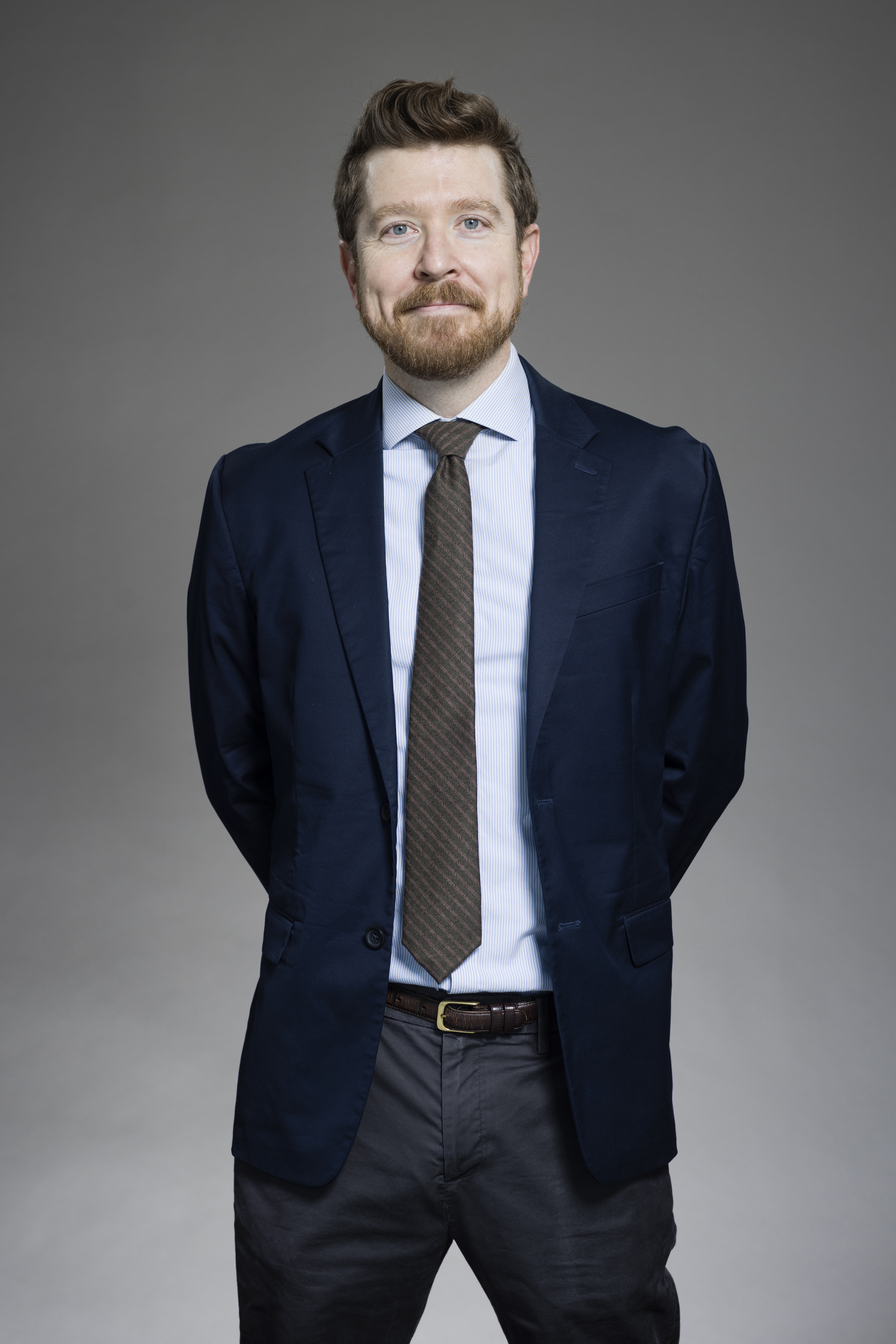
Dr. Adam Benforado is a law professor and the New York Times bestselling author of Unfair: The New Science of Criminal Injustice and A Minor Revolution: How Prioritizing Kids Benefits Us All. A graduate of Yale College and Harvard Law School, he served as a federal appellate law clerk and an attorney at Jenner & Block, before joining Drexel University. Dr. Benforado has published numerous scholarly articles and book chapters, and his op-eds and essays have appeared in a variety of publications including the New York Times, Washington Post, Atlantic, Time, and Rolling Stone.
- Professional Website
- Session Type: Invited Session
- Session Topic: Children’s rights and criminal justice
Marc H. Bornstein, Ph.D.
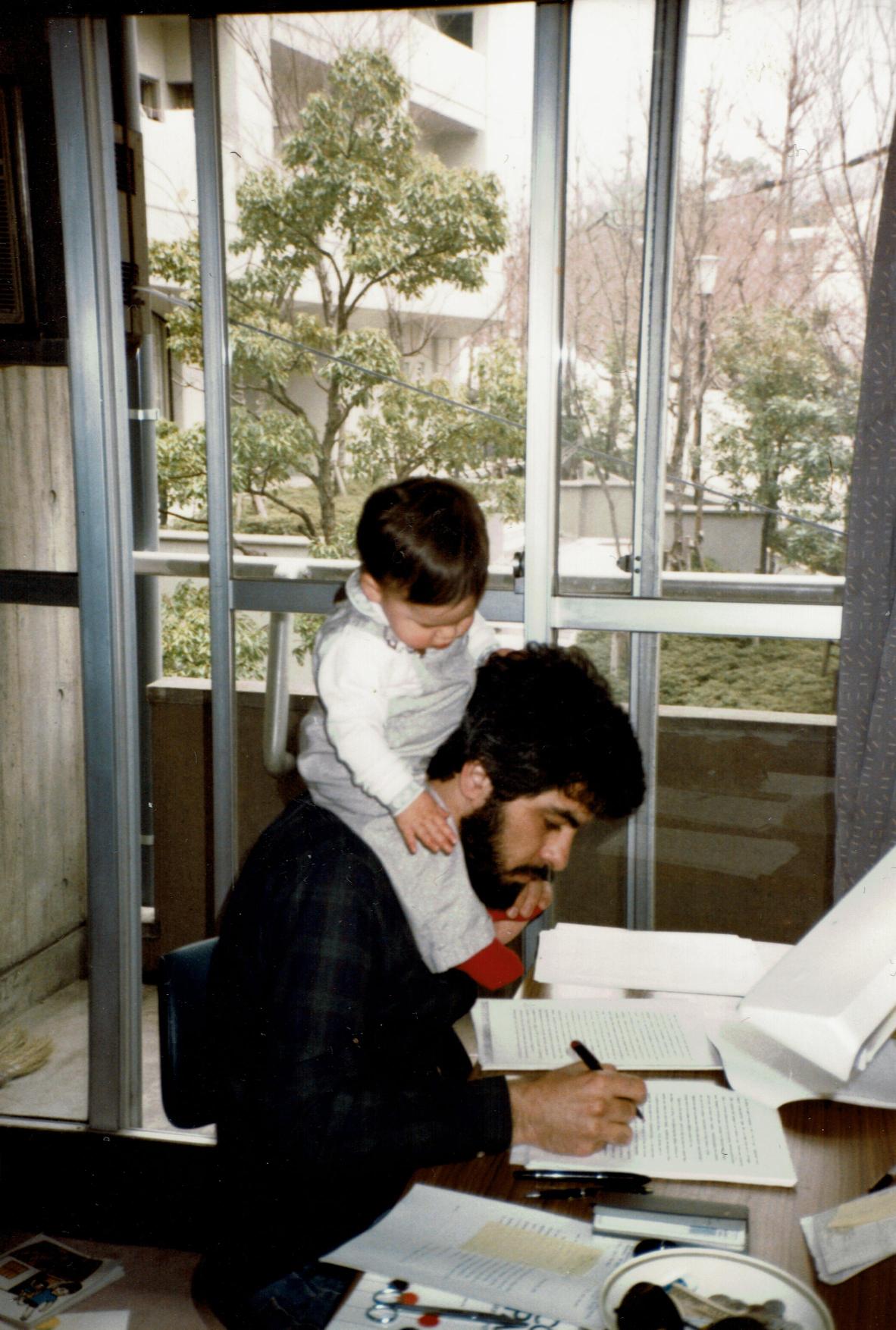
Dr. Marc H. Bornstein holds appointments at the NICHD, Institute for Fiscal Studies (London), and UNICEF. He earned a BA from Columbia College and MS and PhD from Yale University, was awarded honorary doctorates from the Universities of Padua and Trento and is Honor professor at the University of Heidelberg. Dr. Bornstein is President Emeritus of SRCD, held faculty positions at Princeton and New York Universities, and visiting appointments in Bamenda, Bristol, London, Medford, Munich, New York, Oxford, Paris, Santiago, Seoul, Tokyo, Toronto, and Trento. Dr. Bornstein is Editor Emeritus of Child Development and founding Editor of Parenting: Science and Practice. He has administered Federal and Foundation grants, is an editorial board member on several scientific journals, participates in scholarly societies in a variety of disciplines, and consults for governments, foundations, universities, publishers, and the media. Dr. Bornstein publishes widely in experimental, methodological, comparative, developmental, and cultural science as well as neuroscience, pediatrics, and aesthetics.
- Professional Website
- Session Type: Invited Session
- Session Topic: Parenting in different cultural contexts
Jeanne Brooks-Gunn, Ph.D.
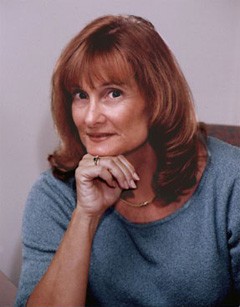
Dr. Jeanne Brooks-Gunn is the Virginia and Leonard Marx Emerita Professor of Child Development at Teachers College and the College of Physicians and Surgeons of Columbia University. Her research focuses on biological and social transitions through childhood, adolescence and adulthood, as well as the environmental factors (such as parental education, income, mental health and stability, as well as neighborhood conditions) that enhance and constrain well-being and changes in wellbeing over time. She also conducts evaluations of national and multi-site interventions for children and has been involved in multiple longitudinal studies following children and families over several decades. She is a member of the National Academy of Medicine and has received lifetime awards for her policy infused work from SRCD, SRA, APA, APS, NIH, Harvard Graduate School of Education, and AASPS.
- Session Type: Invited Session
- Session Topic: Early childhood policy and intervention
Natasha J. Cabrera, Ph.D.
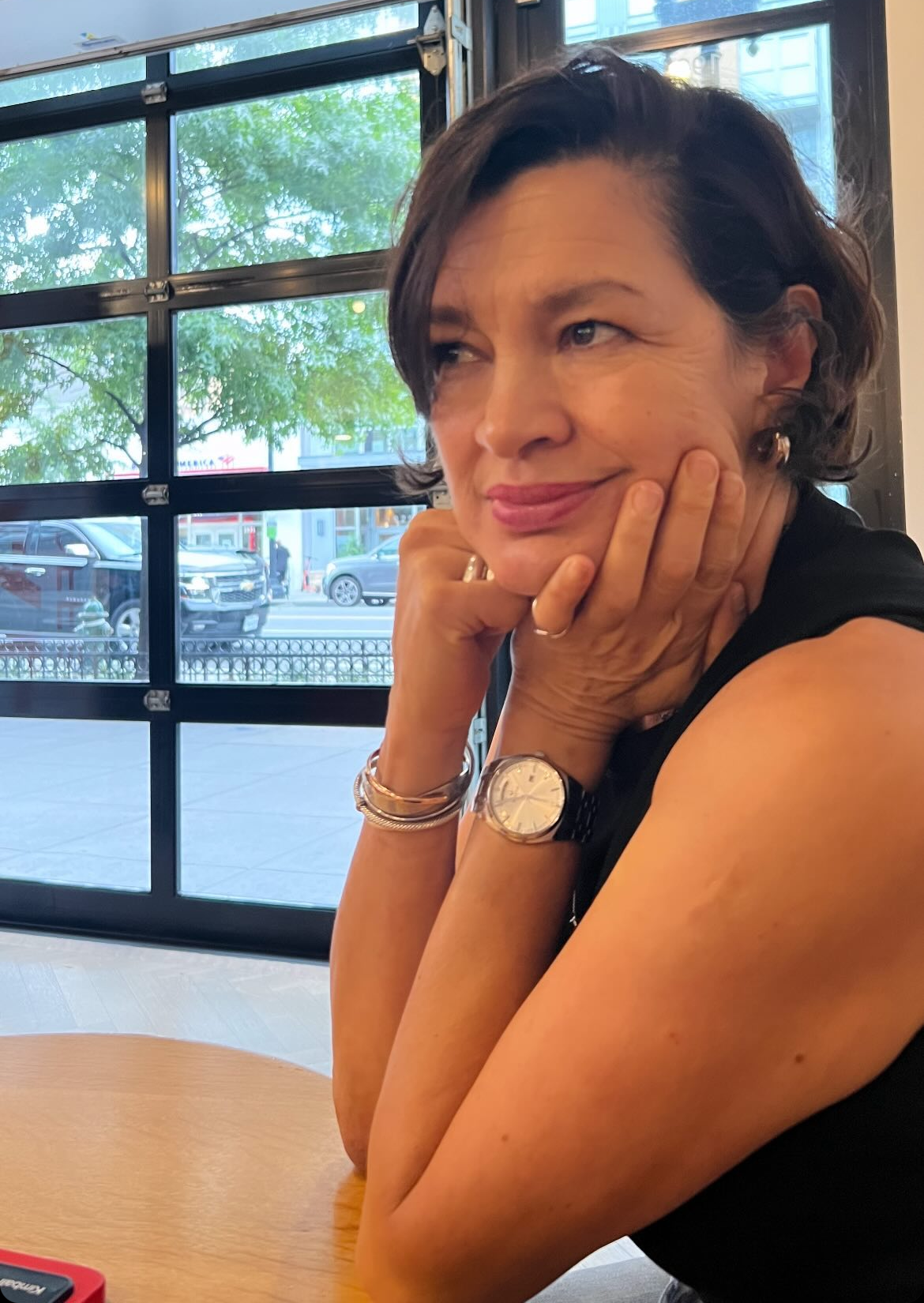
Dr. Natasha J. Cabrera is Professor of Human Development at the University of Maryland. Her research focuses on mothering and fathering behaviors and children’s social and cognitive development; adaptive and maladaptive factors related to parenting; cultural variation in ethnic minority families; and the mechanisms linking early experiences to children’s school readiness.
She is the co-editor of the Handbook of Father Involvement: Multidisciplinary Perspectives, 2nd Edition (Taylor & Francis, 2013) and co-author of How Fathers Help their Children Develop: Money & Love (Cambridge Univ Press, 2025). She is the Editor-in-chief of SRCD Monographs and the recipient of the National Council and Family Relations award for Best Research Article regarding men in families in 2009. She was appointed to the National Academy of Sciences committee on parents of young children, was a Russell Sage Foundation Visiting Scholar; and, and a visiting scholar, University of Ruhr, Germany.
- Professional Website
- Follow Natasha on LinkedIn
- Session Type: Invited Session
- Session Topic: cultural and ethnic differences in parenting and children's outcomes
Rona Carter, Ph.D.
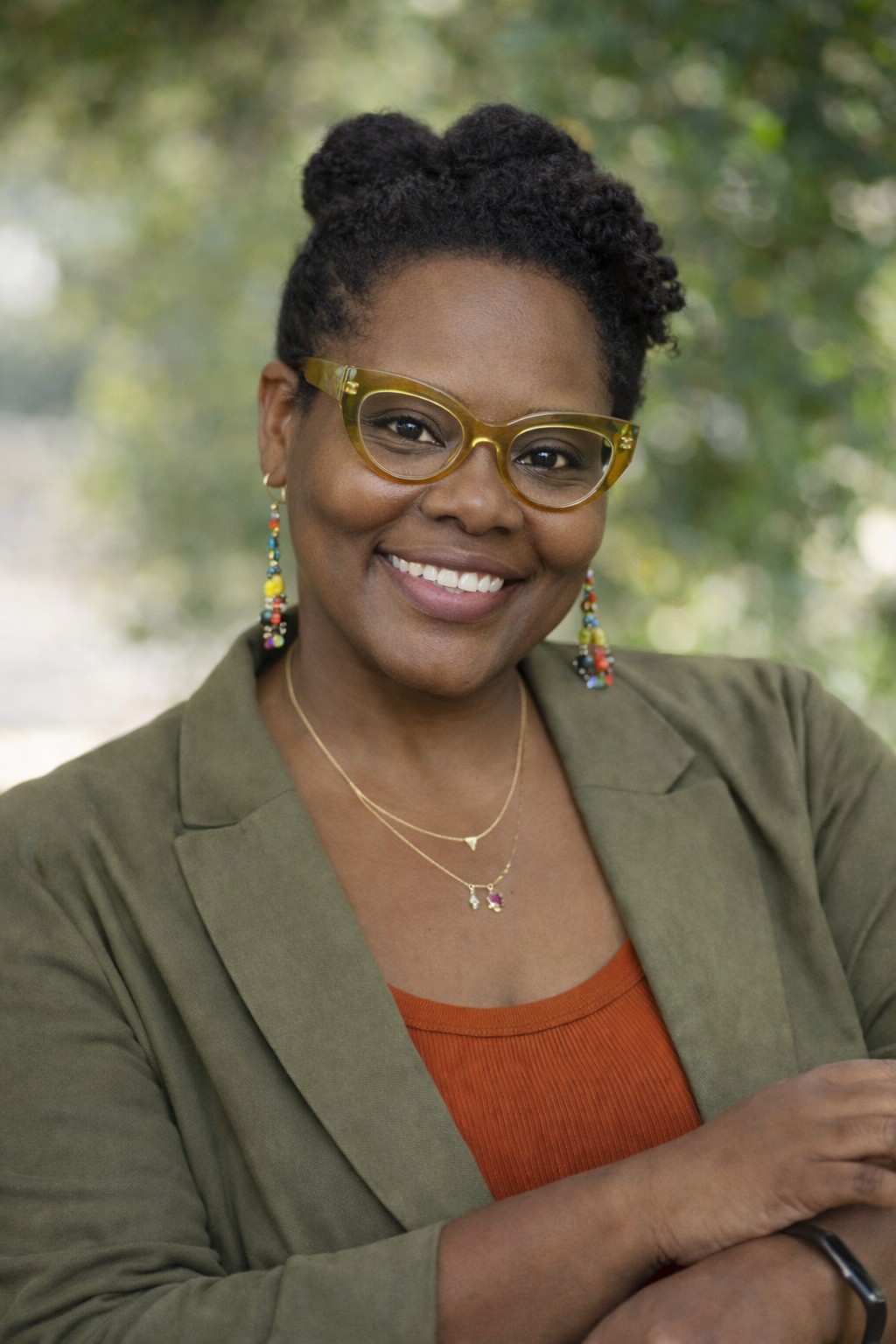
Dr. Rona Carter, LLP, is Associate Professor of Psychology at the University of Michigan, with courtesy appointments/affiliations in Education, Social Work, and the Combined Program in Education and Psychology. Her research examines how pubertal development unfolds within social contexts shaped by race, gender, identity, and inequality. Centering Black girls’ experiences, her work investigates how early bodily change is interpreted by peers, families, schools, and broader cultural narratives, and how these interpretations shape identity development, mental health, and educational experiences. Dr. Carter is the developer of Double Digits, a culturally responsive puberty and identity program for girls, and Black Girlhood Unfolded, a digital platform centering Black girls’ puberty narratives. Her scholarship appears in leading journals, including Child Development, Developmental Psychology, and Child Development Perspectives, and she is Lead Editor of a forthcoming Developmental Psychology special issue on Black girlhood.
- Professional Website
- Follow Rona on Facebook, LinkedIn, and X
- Session Type: Invited Session
- Session Topic: racism, sexism, adultification, and classism—interact with developmental timing
Sierra Carter, Ph.D.
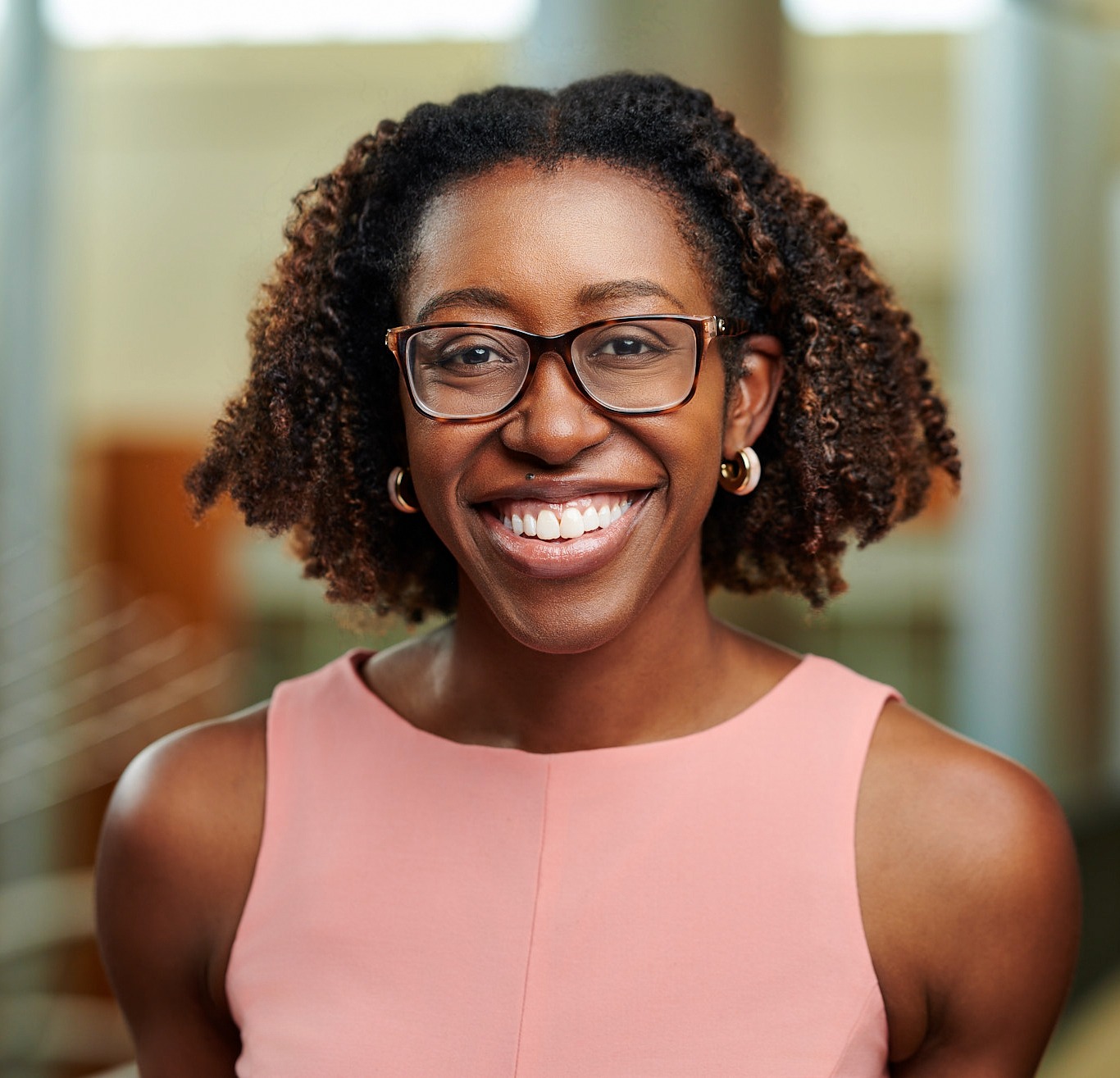
Dr. Sierra Carter is an Associate Professor of Clinical Psychology and Associate Director of the Center for Family Research at the University of Georgia whose work centers on racial health disparities and maternal mortality among Black Americans. Her interdisciplinary research integrates psychology, biology, public health, and developmental science to examine how racism and trauma operate as chronic, multilevel stressors that shape health across the life course.
Dr. Carter’s work specifically investigates how psychosocial and contextual stressors during pregnancy contribute to adverse maternal outcomes and long-term health inequities. Through federally funded research and community-engaged approaches, she identifies psychological, physiological, and social mechanisms—such as stress biomarkers and coping processes—that underlie disparities in maternal health. Committed to translational impact, her scholarship advances culturally informed, prevention-oriented interventions and amplifies dissemination to communities and policymakers. Dr. Carter’s work ultimately seeks to reduce maternal mortality and promote health equity by addressing the structural and intergenerational impacts of racism on Black women’s health.
- Professional Websites: https://psychology.uga.edu/directory/people/sierra-carter; https://www.drsierracarter.com/
- Follow Sierra on LinkedIn and on Bluesky
- Session Type (Format): Invited Session
- Session Topic: maternal mortality and health disparities
Carolina de Weerth, Ph.D.

Dr. Carolina de Weerth earned a master’s degree in biology (animal behavior) from Utrecht University, The Netherlands, and a Ph.D. in developmental psychology from the University of Groningen, NL. In 2018, following the award of a prestigious personal Vici grant, Dr. de Weerth became principal investigator and group leader at Radboud University Medical Center and the Donders Institute in Nijmegen, NL. She maintains extensive national and international research collaborations.
Dr. de Weerth conducts innovative research examining how early-life environmental exposures shape development and influence lifelong trajectories. Her work focuses on the impact of prenatal and postnatal maternal mental health complaints, as well as caregiving choices and quality, on children’s development, including physical health and behavioral regulation. To elucidate underlying mechanisms, Dr. de Weerth integrates key physiological systems and biomarkers, such as the intestinal microbiota, the hypothalamic–pituitary–adrenal (HPA) axis, maternal milk, and telomeres.
Dagmara Dimitriou, Ph.D.
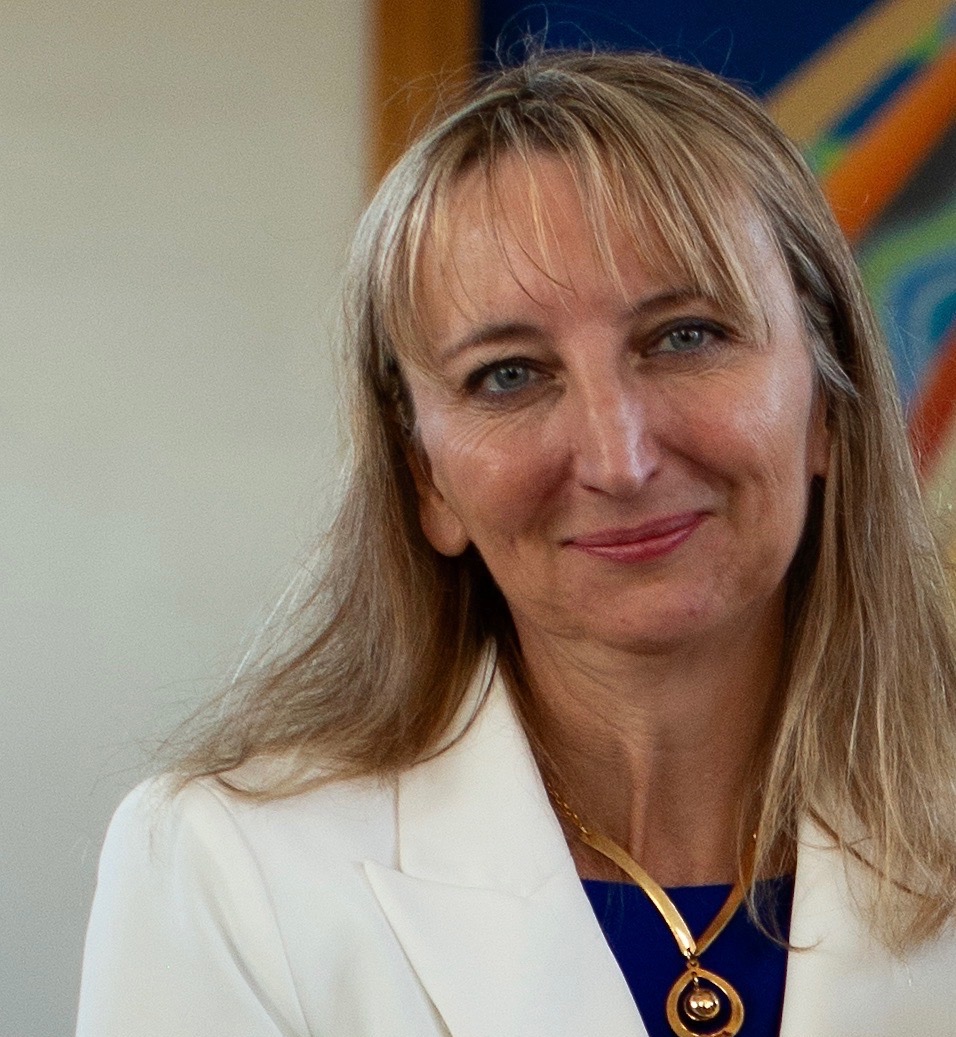
Dr. Dagmara Dimitriou is Professor of Sleep, Education and Research Laboratory at University College London (UCL). Her research, grounded in a developmental approach, explores how sleep shapes cognitive development, learning, and mental health across childhood and adolescence to adulthood. She has a particular interest in neurodevelopmental conditions, including ADHD and autism, examining how sleep affects cognitive domains, behaviour, academic outcomes as well as family functioning. She serves as Editor-in-Chief for Research in Autism and Research in Neurodiversity and has published peer reviewed studies across psychology and medical field. Her work has informed education policy and public understanding of sleep and child development, contributing to improved outcomes for children and young people.
- Professional Page
- Follow Dagmara on LinkedIn
- Session Type: Invited Session
- Session Topic: Sleep and neurodiversity
Cynthia García Coll, Ph.D.
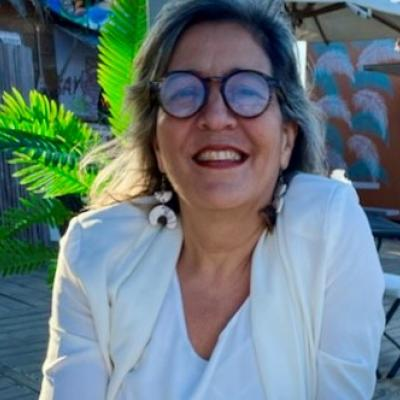
Dr. Cynthia García Coll is the Charles Pitts Robinson and John Palmer Barstow Professor Emerita, at Brown University. Since 2011, she has been Adjunct Professor-Pediatrics, University of Puerto Rico (UPR) School of Medicine. Her research focuses on the interplay of sociocultural and biological influences on child development, in populations that live in at-risk conditions and/or are minoritized. She received her BA-UPR, her MA-University of Florida and her PhD-Harvard University. Dr. García Coll was senior editor of Child Development and Developmental Psychology.
She is a fellow of APA and APS and has received awards from Tufts and Brown University, the SDBP, SRCD, the Latino Caucus (SRCD), Progreso Latino and a Doctorate in Humane Letters, Honoris Causa, Erikson Institute. She has been on the governing boards of the United Way of Rhode Island, the Rhode Island Community Foundation, SRCD, SSHD and FCD. She was a member and Chair of the Young Scholars Program, WT Grant Foundation, for eleven years. Her research was funded by NIH, the McArthur Foundation, the WT Grant Foundation, and the Spencer Foundation. She has three adult children, three grandchildren and is currently an active yoga and mindfulness practitioner and teacher.
- Session Type: Invited Session
- Session Topic: marginalized children and families
Nancy Hill, Ph.D.
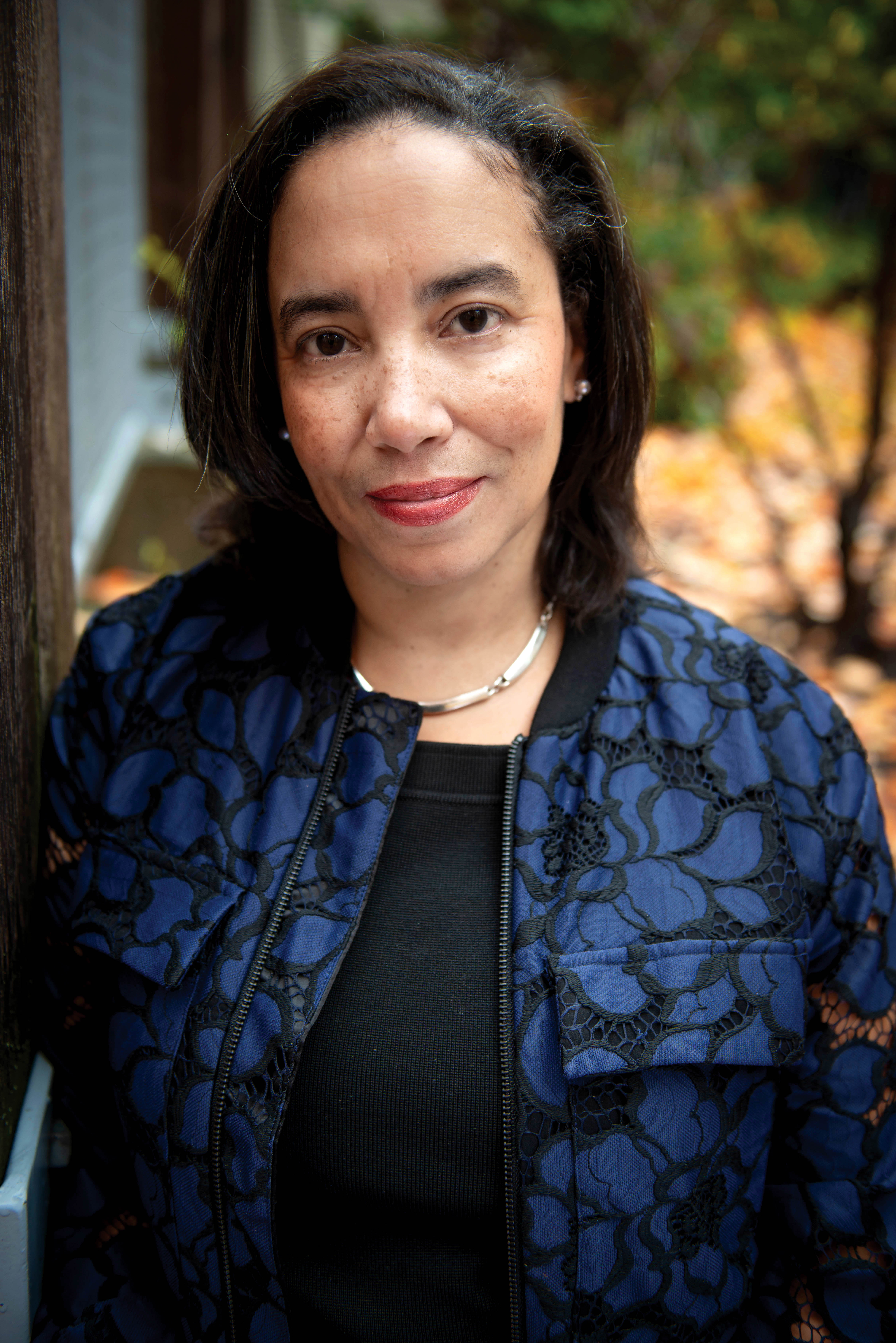
Dr. Nancy Hill has spent her career studying how adolescents imagine and chart their pathway through the teen years and into adulthood. Through research-practice partnerships, national datasets, and archival interviews, she has listened to the voices of youth and families and examined the significance of relationships and psychosocial resources for making sense of and navigating societal opportunities and constraints. She examines how race, ethnicity, socioeconomic factors, and national context interrelate and shape how youth and families interpret their opportunities in an increasingly globalized context. She has developed frameworks for parental involvement in education during adolescence and for parents-young adults as they renegotiate their relationship into adulthood.
In addition to publishing in leading scientific journals, Professor Hill co-authored the book, The End of Adolescence: The Lost Art of Delaying Adulthood (2021, Harvard University Press). She edited five books in the areas of parenting and academic achievement during adolescence and among ethnic minority families.
- Professional Website
- Session Type: Invited Session
- Session Topic: Parenting and child developmental outcomes within context
Kathy Hirsh-Pasek, Ph.D.
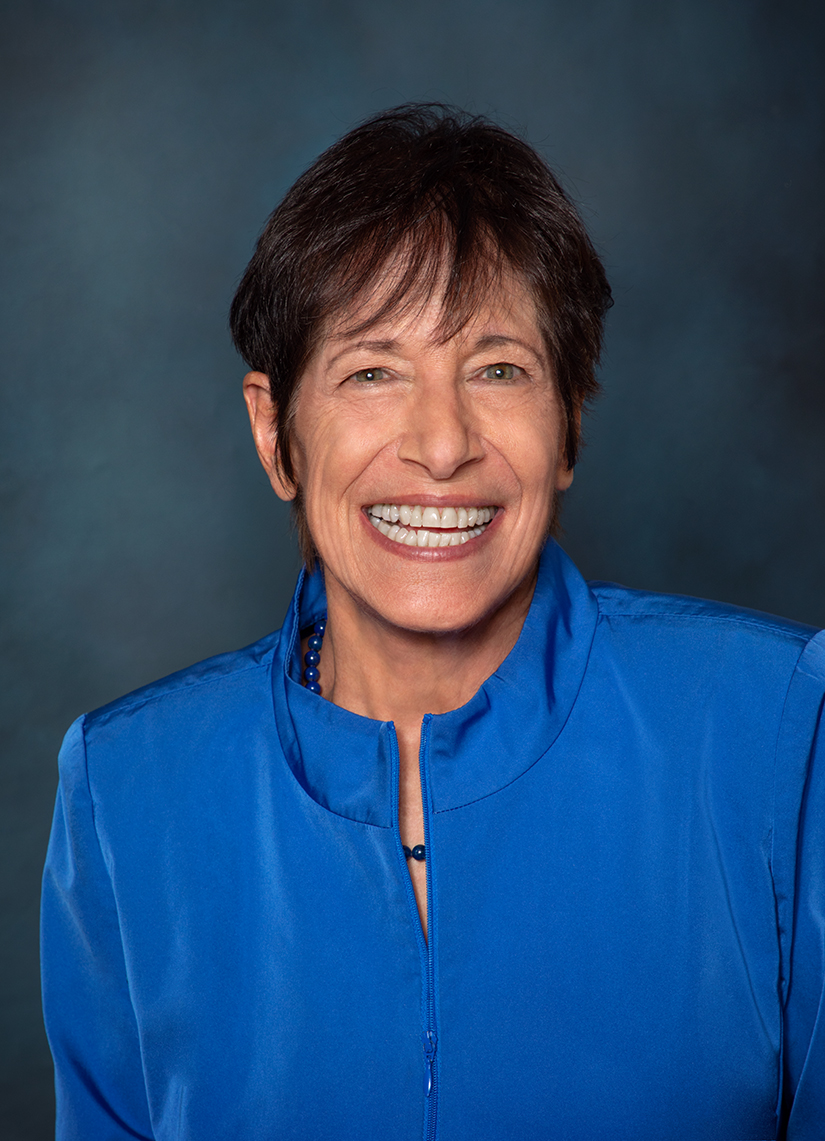
Dr. Kathy Hirsh-Pasek is the Lefkowitz Faculty Fellow in Psychology at Temple University, a Senior Fellow at the Brookings Institution, and a Visiting Professor at Oxford University. Her research examines the development of early language and literacy, the role of play in learning and learning and technology. She is the author of 17 books and hundreds of publications, has won numerous awards in her field including being inducted into the National Academy of Education and the Association of Children’s Museum’s Best Friend to Kids Award. Vested in translating science for lay and professional audiences, her Becoming Brilliant, released in 2016 was on the NYTimes Best Seller List in Education. Her book Making Schools Work was released in late Fall of 2022 and Einstein Never used Flashcards was re-released in January of 2026.
- Professional Page
- Follow Dr. Hirsh-Pasek on Instagram @DrKathyAndDrRo
- Session Type: Invited Session
- Session Topic: early childhood cognitive development
Stefanie Hoehl, Ph.D.

Dr. Stefanie Hoehl is Professor of Developmental Psychology at the University of Vienna where she directs the Wiener Kinderstudien lab. She received her PhD from the University of Leipzig in 2008. From 2016 to 2019 she led the Max Planck Research Group on Early Social Cognition at the Max Planck Institute for Human Cognitive and Brain Sciences in Leipzig. Her research lies at the intersection of developmental psychology and cognitive neuroscience and focuses on social and cognitive development in early childhood.
- Professional Page
- Follow Stephanie Hoehl on Bluesky @stefaniehoehl.bsky.social
- Session Type: Invited Session
- Session Topic: early mother-child interaction
Brenda Jones Harden, Ph.D.
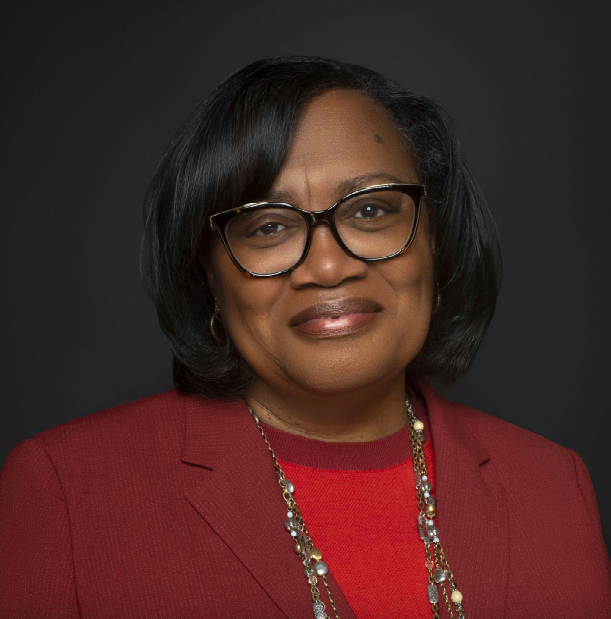
Dr. Brenda Jones Harden is the Ruth Harris Ottman Professor of Child and Family Welfare at the Columbia University School of Social Work and Professor Emerita of Human Development at the University of Maryland. She directs the Prevention and Early Adversity Research Laboratory, where she and her research team examine the developmental and mental health needs of young children who have experienced early adversity, particularly those who have been maltreated, are in foster care, or have experienced other forms of trauma. A particular focus is preventing maladaptive outcomes in these populations through early childhood programs, which she has implemented and evaluated.
Dr. Jones Harden uses research to improve the quality and effectiveness of child and family services and to inform child and family policy, especially in the areas of home visiting, early care and education, infant/early childhood mental health, and child welfare. She is currently a site Principal Investigator and Associate Director of the largest U.S. research study to examine the brain and behavioral development of young children who have experienced adversity (i.e., Healthy Brain and Child Development; hbcdstudy.org). She is a former SRCD Executive Branch Fellow, is the immediate past-President of the Board of Zero to Three and served as the co-chair of SRCD’s Communications and Policy Committee for 6 years. She received a PhD in developmental and clinical psychology from Yale University and a master’s in social work from New York University.
- Session Type : Invited Session
- Session Topic: adversity and early prevention research
Su Yeong Kim, Ph.D.
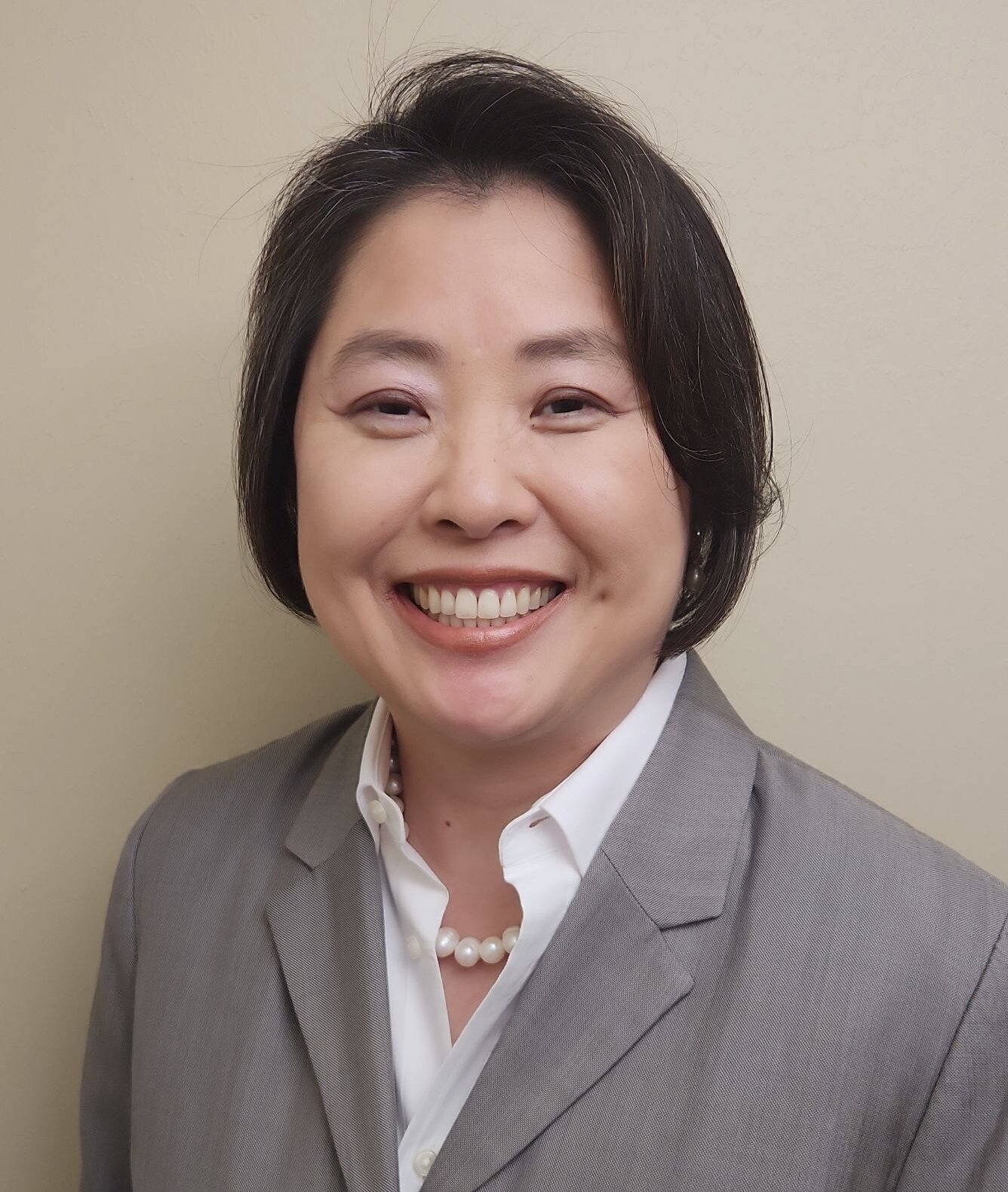
Dr. Su Yeong Kim is Professor of Human Development and Family Sciences at the University of Texas at Austin. An internationally recognized scholar of immigrant families, she serves as Editor-in-Chief of the Journal of Research on Adolescence and previously served as Editor-in-Chief of Cultural Diversity and Ethnic Minority Psychology. She is a Fellow of the American Psychological Association, the Association for Psychological Science, and the Asian American Psychological Association. Through longitudinal studies spanning more than a decade, her research has advanced understanding of how cultural stressors and parenting practices shape adolescent development and well-being in Chinese American and Mexican-origin families. Supported by the National Science Foundation, the National Institutes of Health, the Russell Sage Foundation, and the Spencer Foundation, she has authored more than 180 peer-reviewed publications in leading journals, including Child Development. She received the Distinguished Career Contributions to Research Award from Division 45 of the American Psychological Association.
- Professional Website
- Follow Su Yeong on LinkedIn
- Session Type: Invited Session
- Session Topic: Asian American and Mexican American parenting and child developmental outcomes
Sebastián J. Lipina, Ph.D.
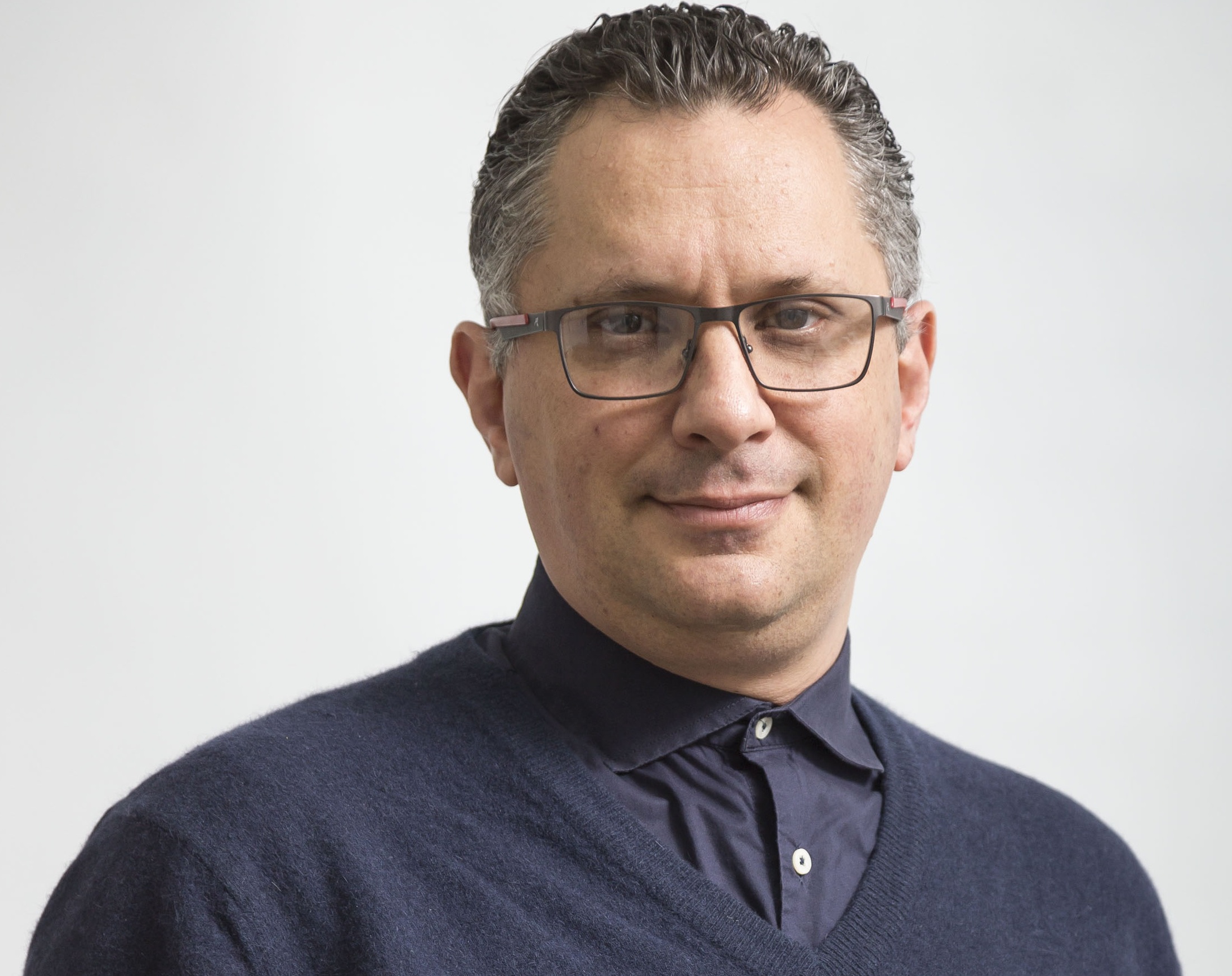
Dr. Sebastián J. Lipina has his PhD. Diploma in Social Sciences. He is a researcher of the National Council of Scientific and Technical Research (CONICET, Argentina), Director of the Unidad de Neurobiología Aplicada (UNA, CEMIC-CONICET), Director of the Program of Educational Neuroscience (UdeSA). Professor of the Seminar Neural Development (Master in Psychology of Knowledge and Learning, FLACSO), Fellow of MindCORE, (University of Pennsylvania, USA), member of the Advisory Committee of LEVANTE Project (Jacobs Foundation), member of the IRB of CEMIC, and Associated Editor of International Journal of Behavioral Development (IJBD) and Developmental Review. His current research interests focus on: (a) the analysis of associations between socioeconomic deprivation and self-regulation development, (b) the design, implementation and evaluation of interventions aimed at optimizing children´s self-regulation performance through exercising and training in laboratory, school and community settings, and (c) the transfer of scientific knowledge to policy design efforts.
- Professional Website
- Follow Sebastián on Instagram: @unacemic
- Session Type: Invited Session
- Session Topic: cognitive neuroscience, learning, executive function
Isha Metzger, Ph.D.
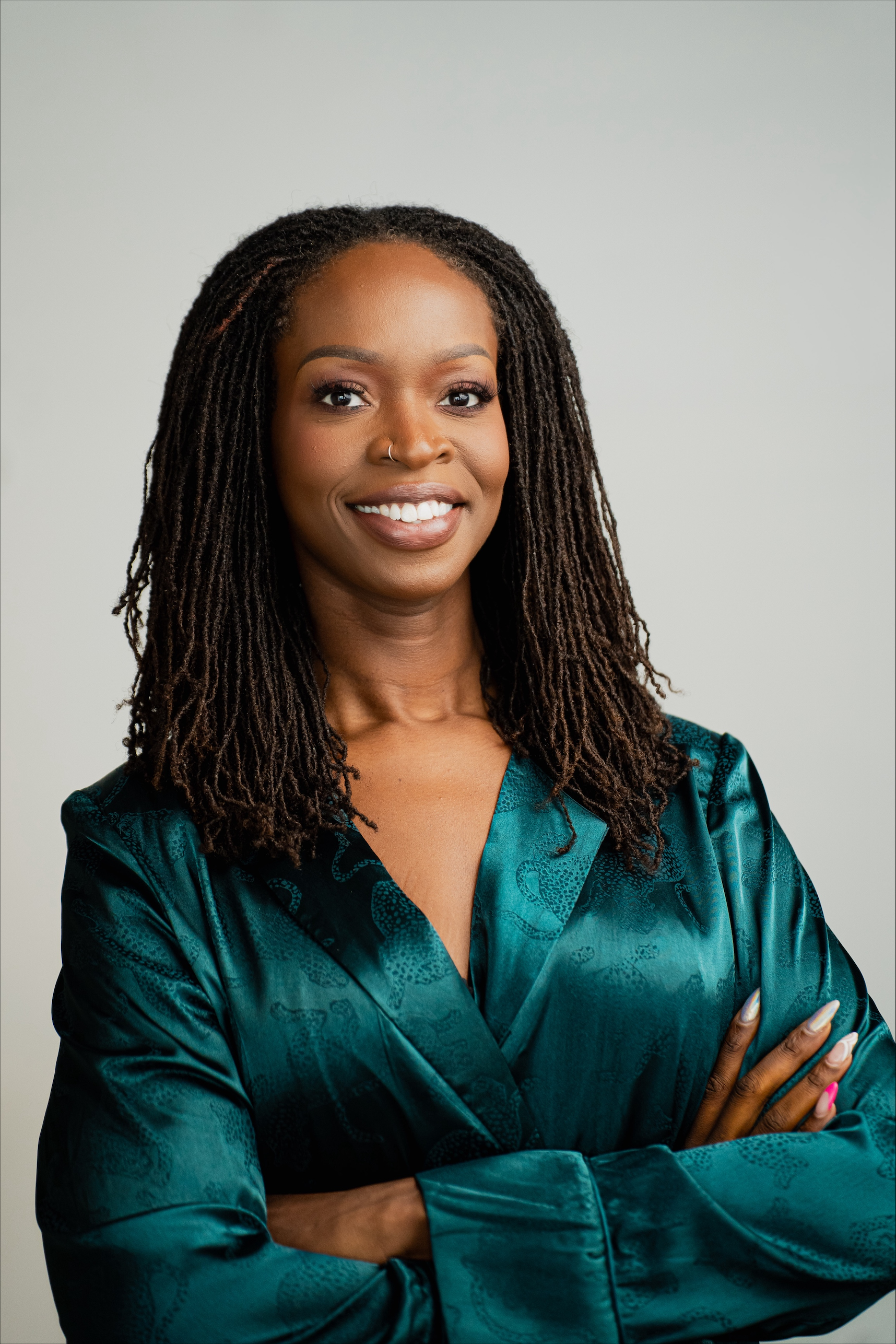
Dr. Isha W. Metzger is a Licensed Clinical Psychologist and Associate Professor of Psychology at Georgia State University, with adjunct and visiting research faculty appointments at the University of Georgia and Yale University. She is the Founder of Cultural Concepts, LLC and Director of The EMPOWER Lab (Engaging Minorities in Prevention, Outreach, Wellness, Education & Research), where her work centers on healing interpersonal and racial trauma among Black youth and families. A certified TF-CBT clinician and sought after trainer, Dr. Metzger is a national leader in integrating racial socialization into evidence-based clinical practice, and has partnered with organizations including the PBS, National Children's Alliance, Delta, Safe Horizon, and REACT Chicago to advance culturally responsive care. She is the author of Healing Interpersonal and Racial Trauma and The C.A.R.E. Package for Racial Healing, and her SAMHSA-funded research continues to shape equity-driven approaches to child and family mental health at the intersection of research, practice, and policy.
- Professional Website
- Follow Isha Metzger on Instagram @Drishametzger and @theempowerlab
- Session Type: Invited Session
- Session Topic: The integration of ERS into cognitive behavioral therapy
Pamela Morris-Perez, Ph.D.
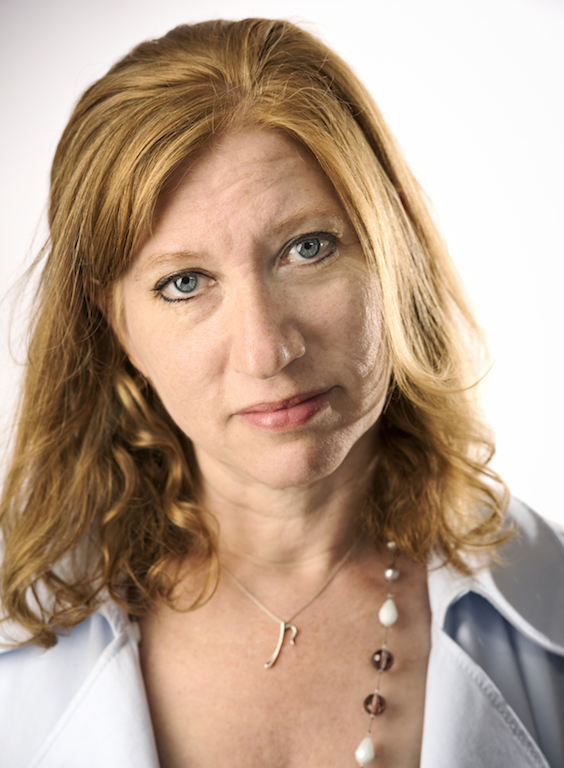
Dr. Pamela Morris-Perez (formerly Morris) is a Professor of Applied Psychology at the New York University Steinhardt School and former Vice Dean/Interim Dean of NYU Steinhardt. Trained in Developmental Psychology at Cornell University, Morris-Perez considers how human development unfolds within settings, and how we can change those settings to optimally support children’s development. Highlights of her career include being honored as a National Academy of Education member and a William T. Grant foundation scholar; serving as a member of the National Academy of Science’s Board on Children, Youth, and Families; and advising city, state, and federal policy efforts in her two chosen fields: preschool education and adolescent suicide prevention. Her ideas in suicide prevention, borne from the loss of her daughter Frankie, are the focus of her center ARCADIA and have appeared in the New York Times and on Kate Bowler’s Everything Happens podcast. She is currently working on a memoir-in-stories.
- Follow Pamela on Instagram @pamela.a.morrisperez
- Session Type: Invited Session
- Session Topic: Intersections of developmental psychology, suicidology, education, and policy
Amy Needham, Ph.D.
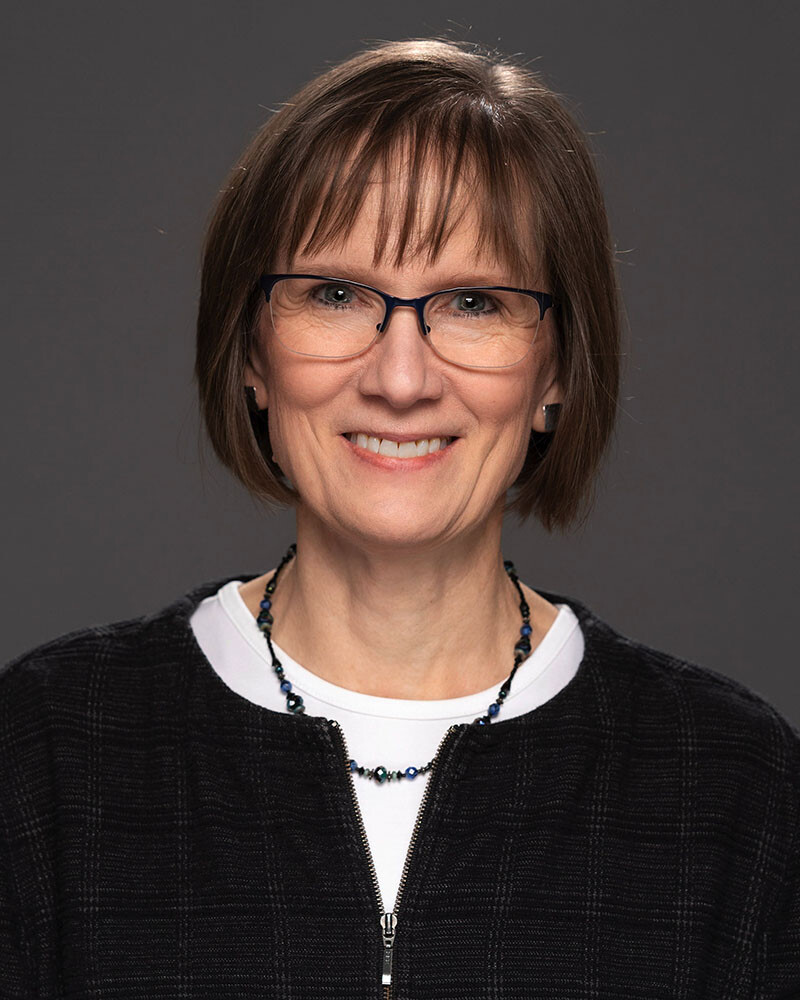
Dr. Amy Needham has been studying the development of the visual-manual skills of infants and toddlers for over 30 years. She earned her PhD in Developmental Psychology at the University of Illinois, Urbana-Champaign and then began her first faculty position at Duke University. In 2009, she moved to Vanderbilt University, where she is currently a professor in the Department of Psychology and Human Development in the Peabody College of Education and Human Development.
While continuing her work with typically developing infants and toddlers, she has also been studying the visual-manual skills of infants and young children with Down syndrome. One of her new focuses is to identify intervention activities that are fun and effective for promoting the visual-manual skills of infants and children with disabilities. She is an APS Fellow and a leadership team member of SRCD's recently formed Disability Caucus.
- Professional Websites: https://my.vanderbilt.edu/handsonplaylab/ | https://www.vanderbilt.edu/psychological_sciences/bio/amy-needham
- Session Type: Invited Session
- Session Topic: How infants and young children learn with their hands
Charles A. Nelson, III, Ph.D.
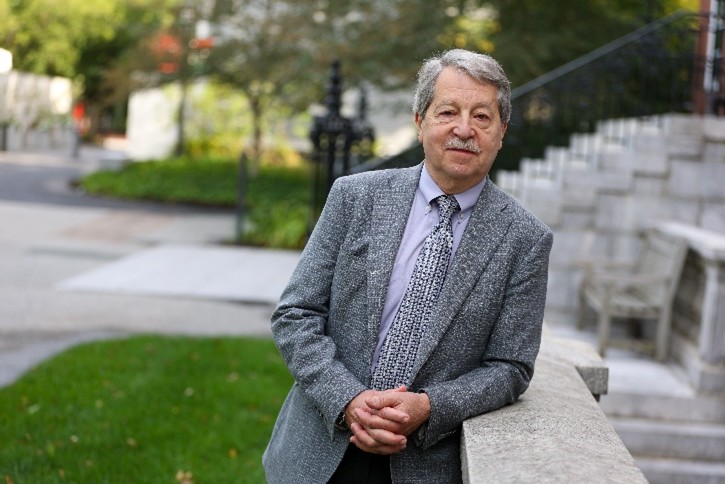
Dr. Charles A. Nelson III is Professor of Pediatrics and Neuroscience at Harvard Medical School, and Professor of Education in the Harvard Graduate School of Education. He also holds the Richard David Scott Chair in Pediatric Developmental Medicine Research at Boston Children’s Hospital. Among his many honors he has been elected to the American Academy of Arts and Sciences, the National Academy of Medicine, and the British Academy. In 2021 he received the Klaus J. Jacobs Research Prize and in 2023 he received the Society for Research in Child Development (SRCD) Distinguished Scientific Contributions to Child Development award.
- Professional Page
- Follow Charles A. Nelson III on Facebook @wherekidshelpkids/
- Session Type: Invited Session
- Session Topic: early experiences and brain development
Brian Nosek, Ph.D.
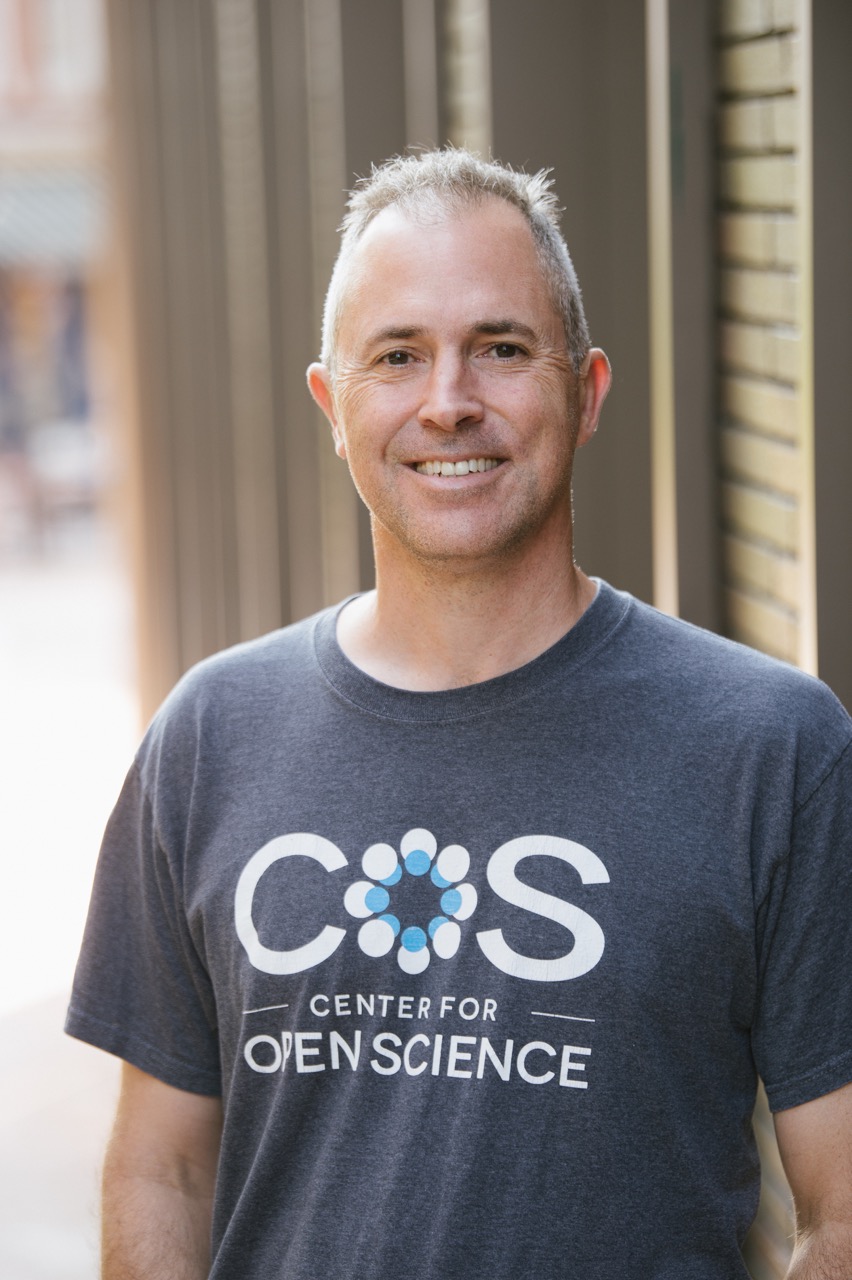
Brian Nosek co-developed the Implicit Association Test, a method that advanced research and public interest in implicit bias. Nosek co-founded three non-profit organizations: Project Implicit to advance research and education about implicit bias (http://projectimplicit.net/), the Society for the Improvement of Psychological Science to improve the research culture in his home discipline (http://improvingpsych.org/), and the Center for Open Science (COS; http://cos.io/) to improve rigor, transparency, integrity, and reproducibility across research disciplines.
Nosek is Executive Director of COS and a professor at the University of Virginia. Nosek’s research and applied interests are to understand why people and systems produce behaviors that are contrary to intentions and values; to develop, implement, and evaluate solutions to align practices with values; and to improve research credibility and cultures to accelerate progress.
- Professional Website
- Follow Brian Nosek on Bluesky @briannosek.bsky.social and on LinkedIn
- Session Type: Invited Session
- Session Topic: open science
Stephen Russell, Ph.D.
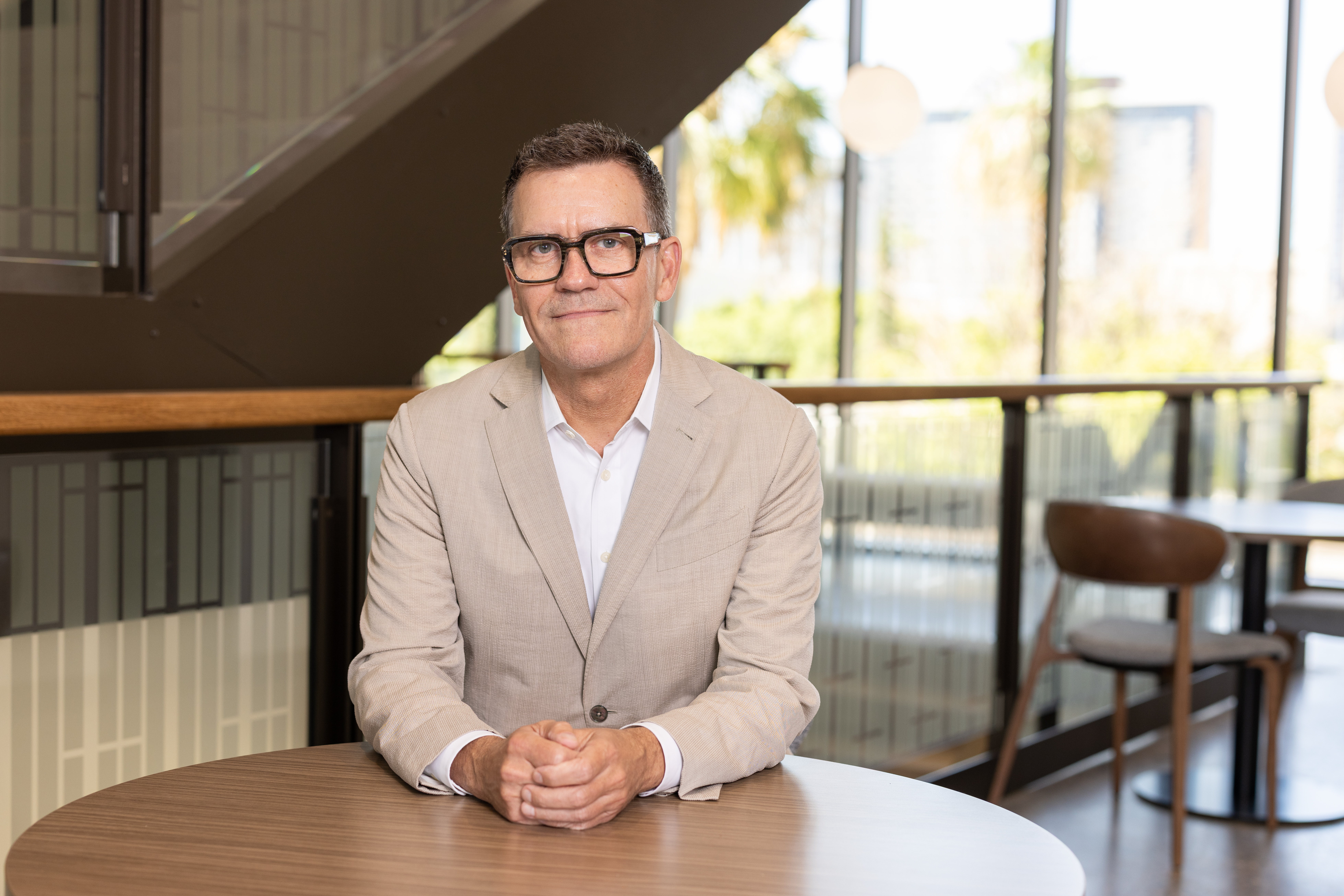
Dr. Stephen Russell (he/him) is Foundation Professor and Director of the T. Denny Sanford School of Social and Family Dynamics at Arizona State University. He is an expert in adolescent and young adult health, with a focus on sexual orientation and gender identity. His 2016 book, Sexual Orientation, Gender Identity and Schooling: The Nexus of Research, Practice and Policy, won awards from the American Psychological Association and the Society for Research on Adolescence. He was President of the Society for Research on Adolescence (2012-2014), and has served on the governing boards of: the Society for Research in Child Development; the Council on Contemporary Families; the National Scientific Council on Adolescence; and the National Academies of Sciences, Engineering and Medicine Board on Children, Youth and Families. He is a fellow of the National Council on Family Relations and is an elected member of the National Academy of Education.
- Professional Website
- Follow Stephen on Bluesky: @stephen-t-russell.bsky.social and on Facebook
- Session Type: Invited Session
- Session Topic: Longitudinal and developmental study of LGBTQ+ youth starting at ages 15-21
Fernando Salinas-Quiroz, Ph.D.
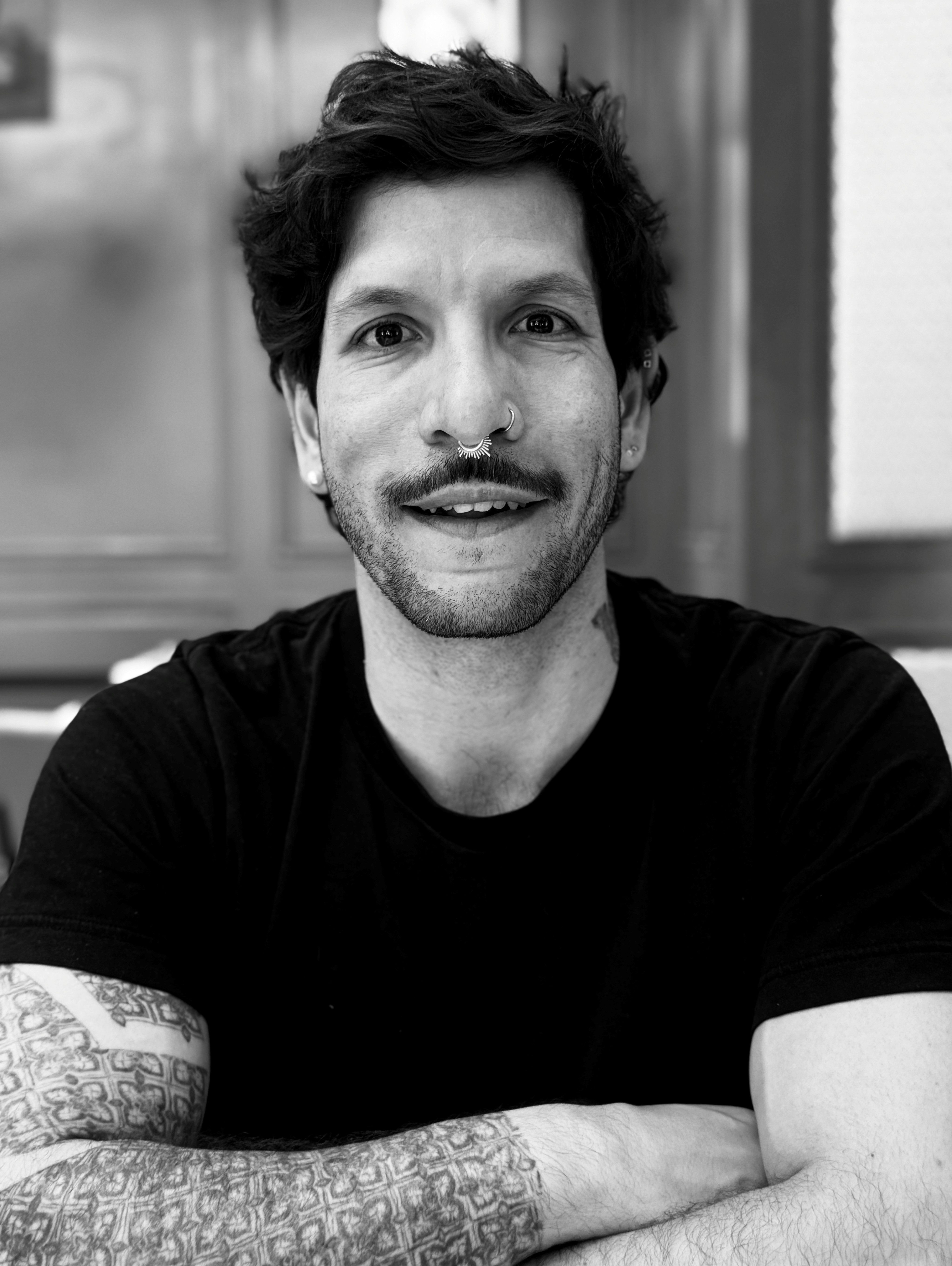
Dr. Salinas-Quiroz is a transfemme, neuroqueer, and racialized Mexican immigrant scholar. As a tenured professor in the National Pedagogic University (Mexico) and Assistant Professor at Tufts University, they embody ser en gerundio—a way of knowing and living that resists closure. Her identity and trans genealogy shape a transdisciplinary approach bridging developmental psychology, education, and trans studies, grounded in intersectionality as a lived practice of coalition-building.
A leader in SRCD, Dr. Salinas-Quiroz co-founded the SOGIE Caucus, served on the International Affairs Committee, and was on the Latinx Caucus Steering Committee (2023–2025). Their scholarship challenges fixed-sequence theories of human development, centering fluidity, justice, and transformative pedagogy. A Board Member of PFLAG National and Trans formative Schools, she advances 2SPLGBTQIA+ equity through research and advocacy. Recognized with UNAM's Alfonso Caso Medal and the Foundation for Child Development's 2025 YSP program, their work—five books, twelve chapters, and 54 articles—interrogates power and privilege. Fluent in Spanish, Portuguese, and English, she prioritizes linguistic justice and supervise dissertations across the Americas and Portugal.
- Professional Website
- Follow Fernando on instagram @drsalinas_quiroz
- Session Type: Invited Session
- Session Topic: Transgender, Children, International, Attachment
Nim Tottenham, Ph.D.
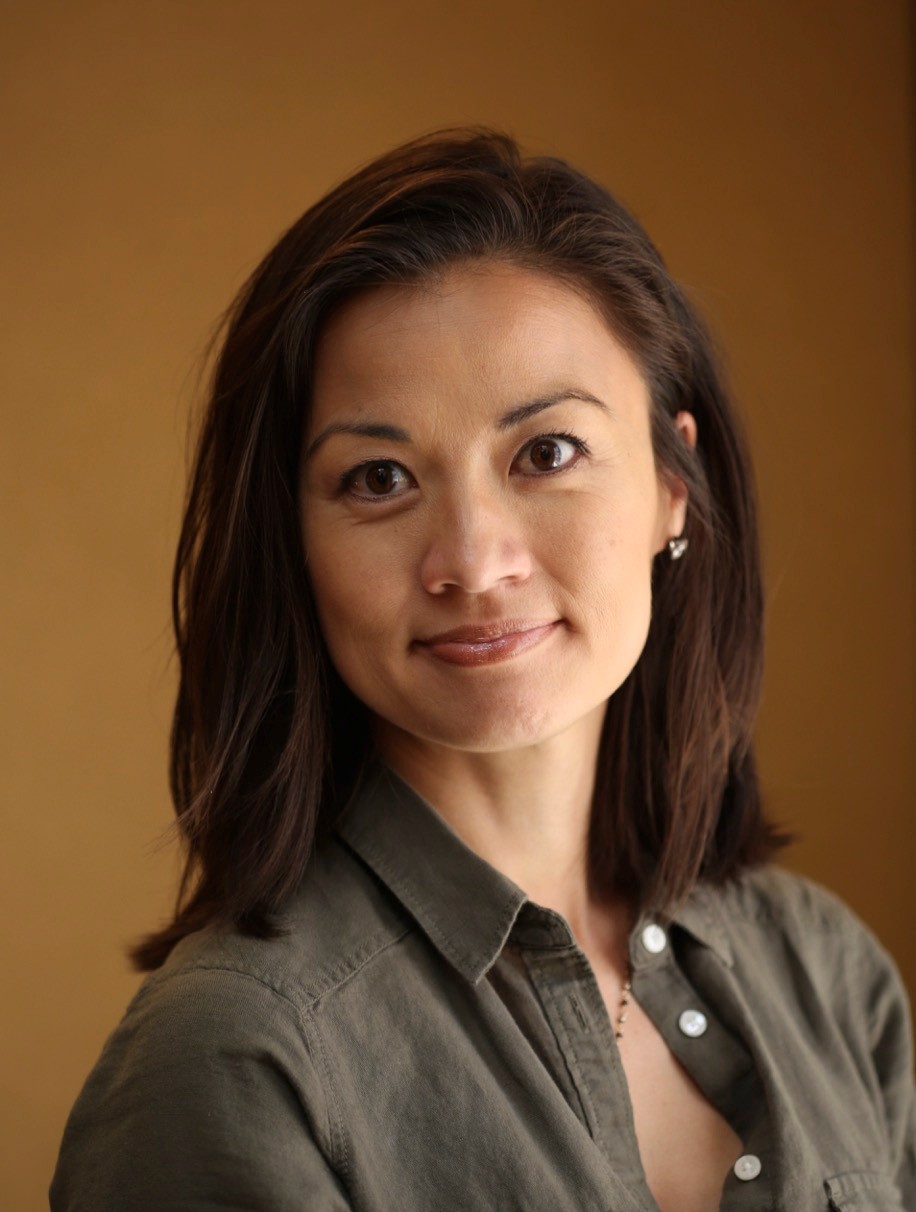
Dr. Nim Tottenham is a Professor of Psychology at Columbia University and Director of the Developmental Affective Neuroscience Laboratory. Her research examines the development of emotional behavior and associated brain maturation. In particular, her research has highlighted the powerful role that early social experience has on brain development. She has authored over 150 journal articles and book chapters. She is a frequent lecturer both nationally and internationally on human brain and emotional development. She is a member of the American Academy of Arts and Sciences, Fellow of the Association for Psychological Science and of the Society for Experimental Psychologists. Her scientific contributions have been recognized by the National Institute of Mental Health BRAINS Award, the American Psychological Association’s Distinguished Scientific Award for Early Career Contribution to Psychology, the National Academy of Sciences Troland Research Award and the Flux Congress Linda Spear Award.
- Professional Website
- Session Type: Invited Session
- Session Topic: Developmental Affective Neuroscience, Limbic-Cortical Development, Early-Life Stress
Giorgio Vallortigara, Ph.D.
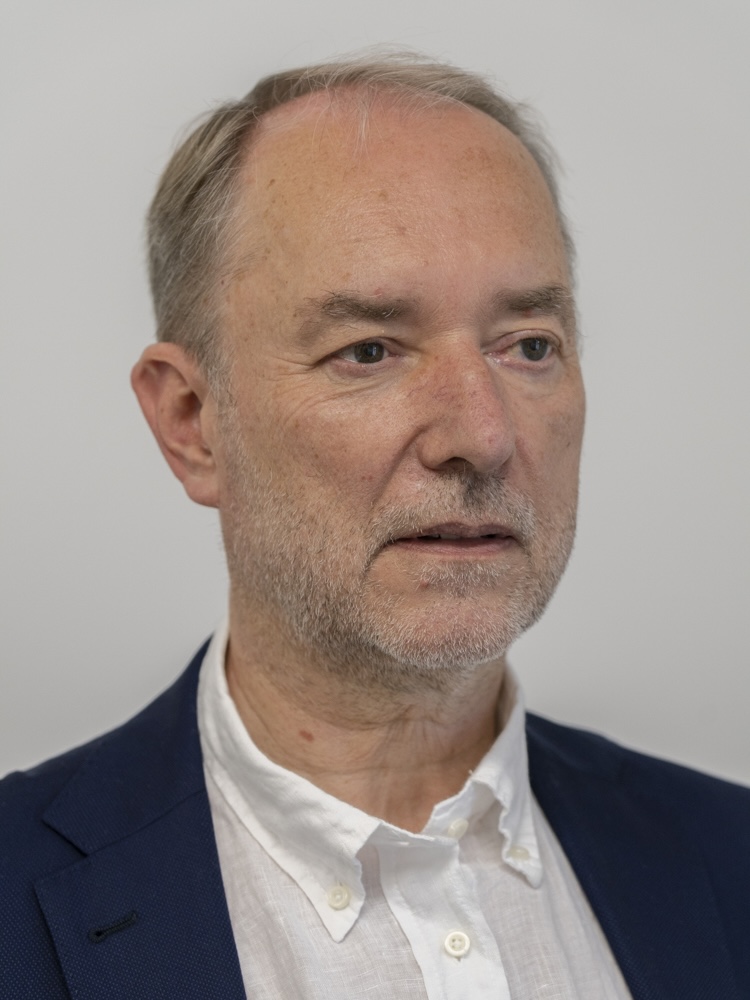
Dr. Giorgio Vallortigara is Professor of Neuroscience at the Department of Psychology and Neuroscience of the University of Trento, Italy. Among his research interests is the study of brain asymmetry in a comparative and evolutionary perspective. He also studied the mechanisms underlying the use of geometry in spatial navigation and the origins of number and object cognition in the animal brain. On these topics he has published more than 400 refereed papers, that have received more than 35,000 citations overall (h-index=102; source Google Scholar). He has contributed also to several books chapters, and is the author of “Born Knowing” (MIT Press, 2021), “The Origins of Consciousness” (Routledge, 2025) and “The Twofold Brain” with L.J. Rogers (Routledge, 2026). He has been the recipient of the Geoffrey de St. Hilaire Prize for Ethology, and a doctorate honoris causa from the University of Ruhr in Germany.
- Professional Website
- Follow Giorgio on Twitter: @gVallortigara Instagram: @giorgio_vallortigara
- Session Type: Invited Session
- Session Topic: How cognitive abilities and brain organization emerge early in life, often before experience, studied through animal models in a comparative neuroscience framework
Hirokazu Yoshikawa, Ph. D.
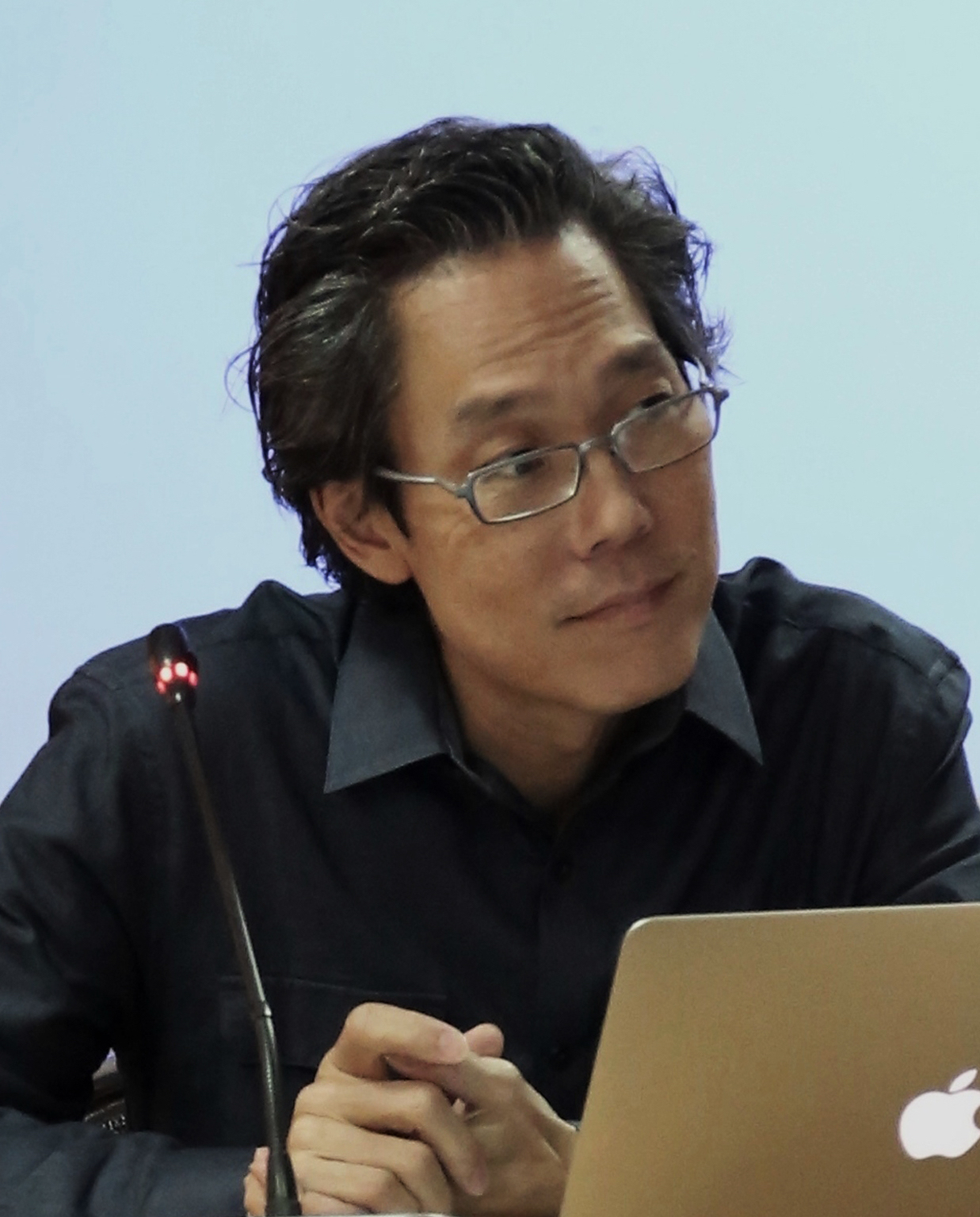
Hirokazu Yoshikawa is the Courtney Sale Ross Professor of Globalization and Education at NYU Steinhardt, a Professor of Applied Psychology, and a University Professor at NYU. He is a community and developmental psychologist who has conducted research-policy, research-advocacy, and research-practice partnerships related to immigration, early childhood, youth development, sexuality and gender identity, and poverty reduction in the United States and in Latin America, South Asia and the Middle East. He is an elected fellow of the American Academy of Arts and Sciences, the American Academy of Political and Social Science, and the National Academy of Education. In 2023 he received the SRCD Award for Distinguished Contributions to Policy and Practice in Child Development and in 2025 the Klaus J. Jacobs Research Prize of the Jacobs Foundation. He has been a trustee of the Russell Sage Foundation and the Foundation for Child Development, and is currently a trustee of the William T. Grant Foundation.
- Professional Page
- Follow Hiro on LinkedIn: www.linkedin.com/in/hirokazu-yoshikawa-61076a292
- Session Type: Invited Session
- Session Topic: Early childhood policy; international; research-to-policy; research-to-practice